Download document () of 20
 Send email
Download
You have exceeded the download limit
Electric vehicle charging infrastructure changes more than vehicle readiness. It changes when power is needed, how quickly demand rises and where capacity may be constrained across mining operations.
Charging windows, vehicle duty cycles, production schedules and available capacity determine whether EVCI supports reliable operations or creates new peak demand challenges. Your load profile is the starting point for mapping charging patterns, production schedules and critical load priorities. That context helps size storage, plan charging windows and protect site reliability from day one.
Energy storage gives your site a buffer between charging demand and available power. When EVCI demand rises during shift changes, equipment turnover or high-production periods, stored energy helps reduce strain on utility service and existing electrical infrastructure.
Storage also gives your team more flexibility in how charging is supported. It can discharge during peak charging windows, recharge when demand is lower and help use renewable energy integration when generation does not align with vehicle charging schedules.
For mining operations, that flexibility helps maintain more stable power when charging overlaps with production, ventilation, pumping or other critical site loads.
EVCI does not need to draw power the same way across every vehicle, charger or shift. Charging control strategies helps your team manage how available capacity is shared, especially when multiple vehicles need to charge during the same operating window.
Instead of allowing charging demand to rise all at once, control strategies help balance load across charging assets, schedule charging around production needs and reduce pressure on peak periods. This supports more reliable charging without forcing every infrastructure decision to be sized around the highest possible demand event.
Control planning should consider:
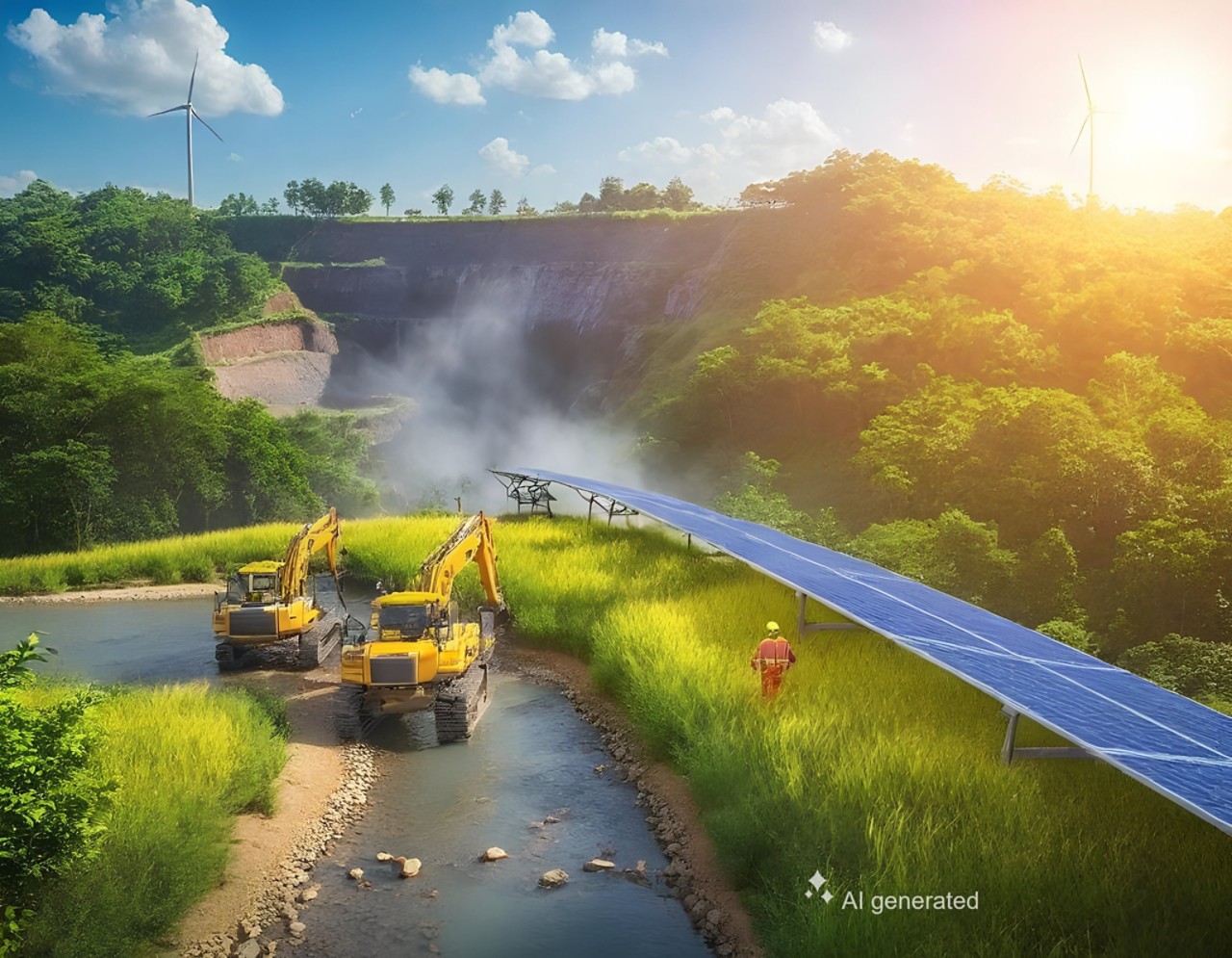
Reliable EVCI depends on more than charger placement. Your team needs to understand how charging equipment, energy storage, renewable energy, backup power and mining electrical infrastructure work together across the site.
Integration planning helps you evaluate whether current infrastructure supports new charging loads or whether upgrades are needed before deployment. It also helps you plan phased growth so today’s design does not limit tomorrow’s charging capacity, storage requirements or renewable energy use.
As mining fleets electrify, EVCI planning can also support broader decarbonization goals. When charging infrastructure is coordinated with energy storage, renewable generation and site power capacity, mining operations can reduce reliance on diesel-powered equipment, lower CO2 emissions and maintain the reliability needed for production.
Integration planning should evaluate:
A stronger integration plan helps your mining operations maintain reliability while adding the charging capacity needed to support electrification goals.
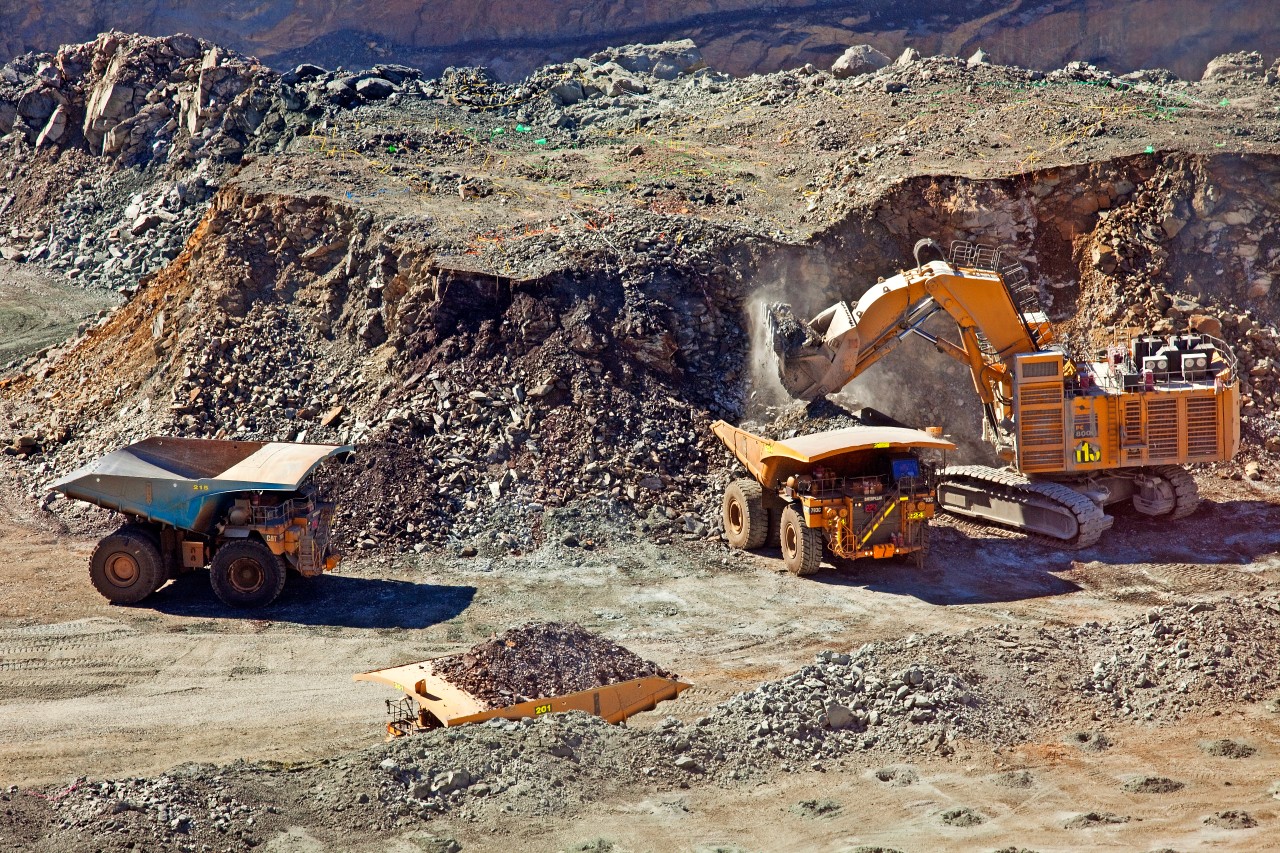
Once charging demand, storage needs and infrastructure requirements are defined, your team can make more informed decisions about capacity, controls, renewable energy integration and long-term reliability.
With connected expertise across electrical infrastructure, energy storage, controls and power systems, you can move from planning to a system design built for reliable EVCI integration.
Explore Eaton’s resources for energy storage, EVCI controls and mining site design, or connect with our team to discuss your power requirements.
Start with charging demand, vehicle duty cycles, available capacity, storage needs, utility requirements, controls and the existing electrical infrastructure.
Need project-specific help?

 MyEatonFAQs


