Download document () of 20
We make what matters work*
  • Integrating LED lighting controls for more sustainable mining operations

    As mines add renewable energy, lighting becomes a controllable load that can help reduce demand, improve visibility and support more efficient electrical system design.
    Download the mining lighting design guide

Why LED lighting belongs in your mining energy plan

Integrating LED lighting will help shape how power is used more efficiently across your mining site. When operations add renewable energy or modernize electrical infrastructure, LED lighting offers a more energy-efficient way to reduce demand, improve visibility and support sustainability goals.

A stronger site design plan, that includes LED lighting, will help you connect energy goals with uptime, maintenance planning and the electrical architecture needed to support long-term site performance.
Lighting decisions start with the mining electrical system—not the fixture

134468460

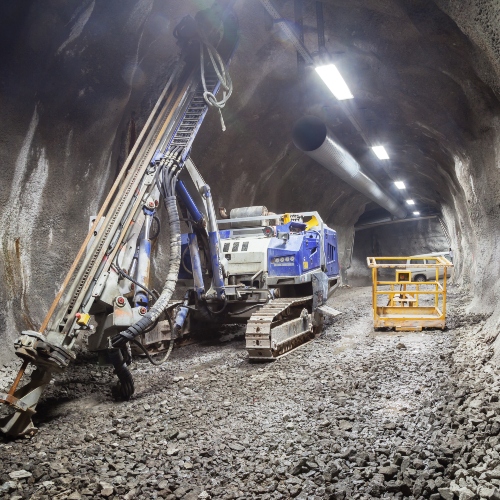
Mine environments place different demands on LED lighting than commercial or general industrial spaces. Engineering and operations teams need to evaluate the site conditions, electrical infrastructure and control requirements that shape lighting performance over time.

Evaluate the mining environment

  • Work areas, mounting heights and beam distribution
  • Challenges such as extreme Temperature, vibration, dust, moisture and washdown conditions
  • Hazardous-area classifications and maintenance access

Plan for system-level impact

  • Wiring runs, panels, breakers and feeders
  • Backup power and renewable energy considerations
  • Control zones, scheduling and site-wide integration

Why controllable lighting creates a more manageable load profile

Mine sites do not use every area the same way throughout a shift. Conveyors, maintenance areas, access roads, processing areas and surface facilities may each have different lighting requirements throughout a shift.
When lighting can be grouped, scheduled and adjusted, operations teams gain a more manageable load profile. That makes lighting easier to align with renewable energy, backup power and broader site energy strategies.
525717367

How total cost analysis changes the lighting decision

The value of LED lighting is not measured by fixture cost alone. For mining operations, the stronger comparison includes the full cost of installation, energy use, maintenance, labor, access equipment, downtime and spare-part availability.

That broader view is especially important for mining sites operating long hours or planning around renewable energy. Lower energy use can reduce demand across the electrical system, while longer service intervals can help reduce maintenance requirements in hard-to-access areas.

Compare total cost factors

  • Initial installation cost
  • Annual energy use
  • Maintenance frequency and labor
  • Access equipment or shutdown requirements
  • Expected life and replacement planning
A total cost view helps teams make lighting decisions that support energy goals, operating budgets and long-term system performance.

Move from a sustainable lighting strategy to design

Once lighting is evaluated as part of the mine’s electrical system, engineering teams can make more informed decisions about layout, controls, harsh-area requirements and long-term performance.

Use Eaton resources to help design LED lighting controls for your power-intensive mining site.

LED lighting controls frequently asked questions

LED lighting uses less energy than legacy lighting systems, helping mining operations reduce base electrical demand while supporting visibility across active work areas.
spacer
Yes. Retrofit planning can help teams evaluate existing infrastructure, fixture locations, mounting conditions, controls and maintenance access before installation begins.
spacer
Efficient LED lighting reduces a continuous electrical load, which helps mining operations support renewable energy goals, reduce maintenance demands and improve long-term site performance.
spacer