Download document () of 20
 Send email
Download
You have exceeded the download limit
Mining operations need to determine how renewable energy, storage and microgrid control strategies support reliable, lower-carbon power before design decisions are made. That means evaluating how power is used across the site, which loads are most critical and where existing infrastructure may need to support new generation or operating modes.
A feasibility study will help you evaluate critical loads, existing infrastructure, renewable energy resources and operating scenarios before microgrid design begins.

Before renewable assets are deployed, mining operators need a clear understanding of how their power system will respond—not just under ideal conditions, but under real operating scenarios.
Feasibility studies evaluate site load profiles, projected demand growth, renewable resource variability, grid conditions, power quality, protection requirements and opportunities to reduce demand through efficiency improvements.
Comprehensive feasibility assessments also show how renewable generation, storage and microgrid control strategies function as an integrated system. In remote or islanded mining environments, that analysis helps identify where higher levels of renewable penetration may introduce instability, operational risk or voltage and frequency challenges. Advanced modeling and simulation can validate integration scenarios before changes are made in the field.
Feasibility studies identify technical, operational and reliability risks before capital is committed. For mining operations, that early analysis helps ensure energy systems are designed around real-world conditions, including remote locations, variable loads, safety-critical operations and renewable generation.
Operating modes are one way feasibility studies reduce design risk. They define how the microgrid should perform during normal operation, islanded operation, outages, black-start scenarios, demand response or load shedding.
Grid-connected mode:
Using utility power with on-site generation, storage or renewable energy resources
Islanded mode:
Powering defined loads independently when the site is disconnected from the utility grid
Outage or black-start mode:
Sequencing generation and loads after an interruption to restore power safely
Demand response or load shedding:
Prioritizing critical loads when generation, storage or utility capacity is constrained
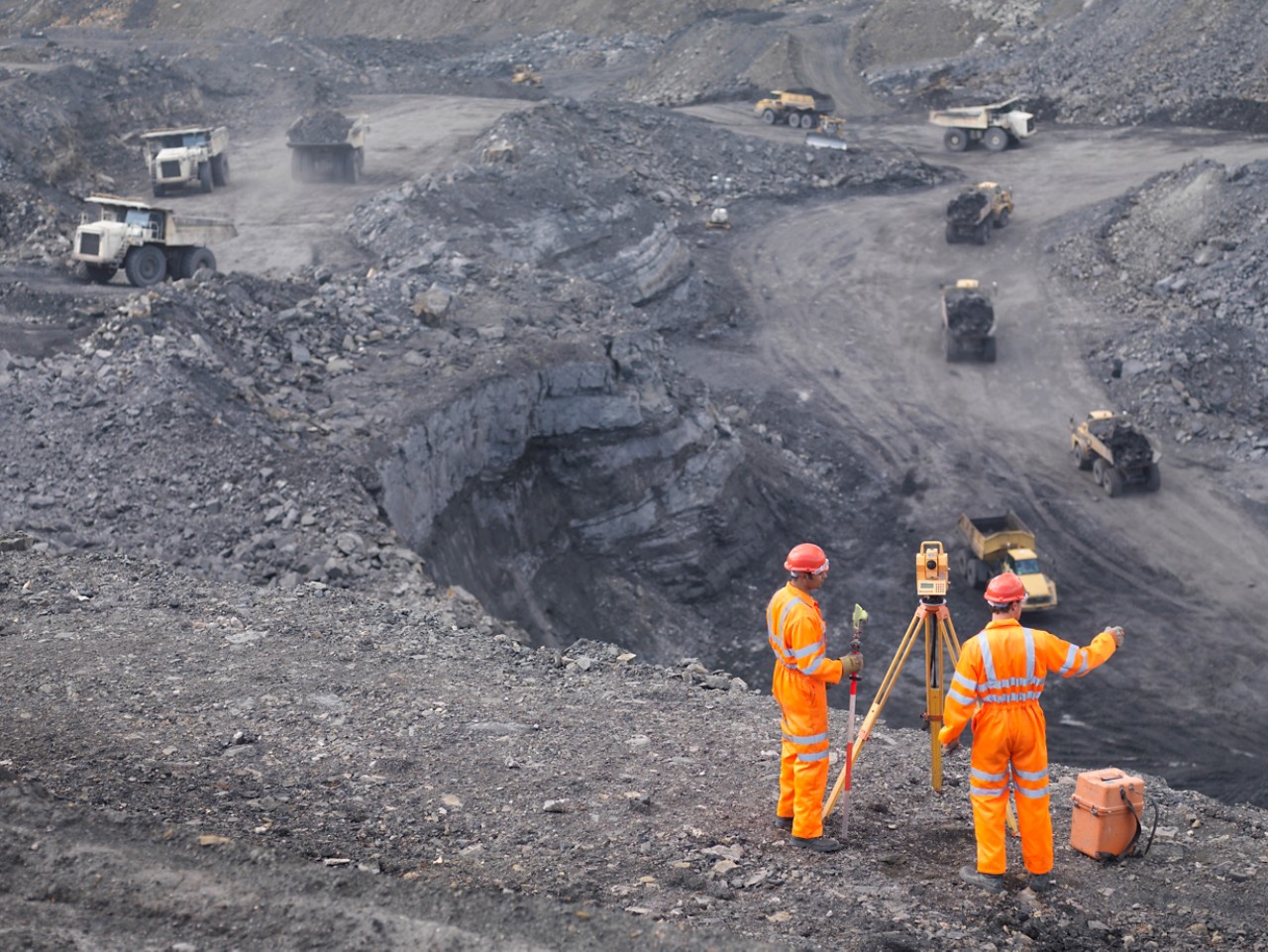
Renewable energy, storage, generators, utility connection and mine loads all need to work together under changing site conditions. A microgrid controller strategy defines how those assets are monitored, sequenced and adjusted as demand, generation and operating modes change.
A microgrid strategy helps coordinate power generation assets so they can work with the local utility provider to support production or operate autonomously to power critical operations.

For your mining operations, that coordination helps manage renewable variability, prioritize critical loads and support more predictable power performance. It also helps define the data, communication and control requirements needed before implementation.
Controller strategy should account for:
Feasibility findings help right-size distributed energy resources, storage and supporting infrastructure around your site’s power requirements. That gives your system enough capacity to support critical operations without adding unnecessary equipment or cost.
They also inform system configuration, renewable energy integration and implementation priorities for your mining operation. With Eaton microgrid resources, you can connect those design inputs to a strategy built for reliability, sustainability and long-term site performance.
Explore Eaton’s microgrid resources to evaluate feasibility, DER control requirements and site design considerations for your mining operation.


 MyEatonFAQs


