Download document () of 20
 Send email
Download
You have exceeded the download limit
As mining systems transition toward electrification and higher power demand, regulatory requirements play a larger role in defining how your systems must perform. This includes how energy is distributed, how systems respond to faults and how infrastructure supports both reliability and efficiency.
When compliance guides planning and design decisions early, you can reduce technical risk before it affects reliability, safety or project execution.
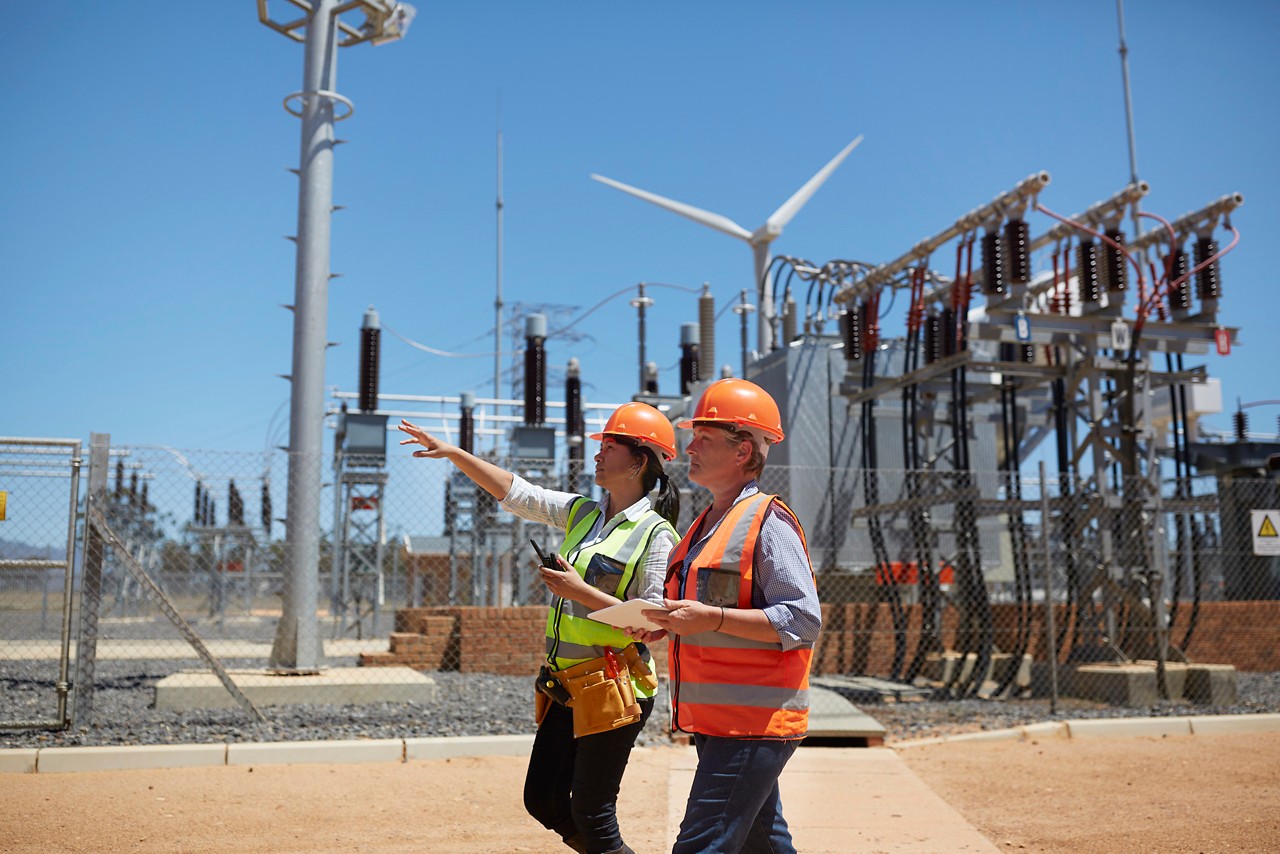
Mining operations must account for multiple layers of standards that influence electrical design, protection and operation. Standards define how electrical systems must:
Together, mining electrical system design best practices provide a common framework for designing electrical systems that can perform under harsh and hazardous conditions while meeting regulatory obligations. They also help you evaluate how requirements apply across new projects, existing assets and future upgrades.
As operations reduce emissions and shift to electric systems, maintaining safe and stable electrical performance becomes more critical. Arc flash and ground fault risks grow as power systems scale, making protection coordination a critical design requirement.
Proper system design and protection strategies are essential to reducing hazards and supporting safe interaction with electrical equipment. These considerations should guide infrastructure upgrades, maintenance planning and protection needs across low-voltage motor control systems.
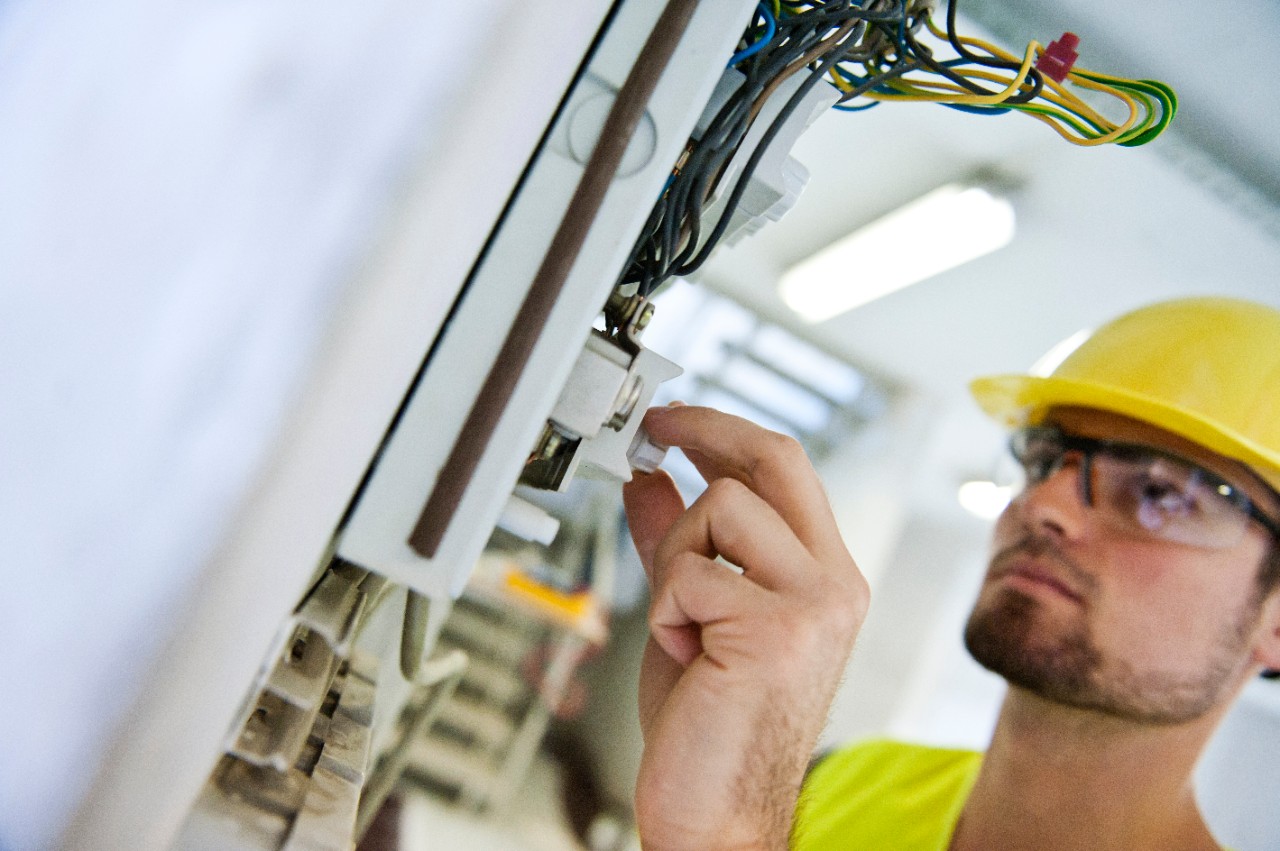
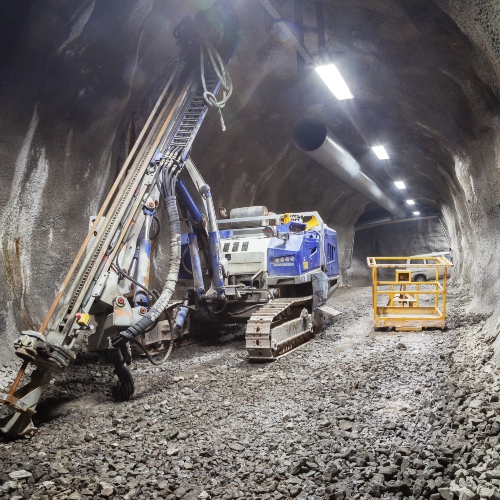
Underground mines and harsh surface environments introduce additional constraints that affect your electrical infrastructure design, operation and maintenance. These environments require systems that can operate reliably while supporting increasingly electrified and energy-dependent operations.
Ventilation, moisture, dust, temperature variation and access limitations can all influence how equipment is selected, installed and serviced. Electrical systems must be designed to operate reliably under these conditions while aligning with applicable underground and hazardous area standards.
In environments where maintenance access is limited or electrical hazards are harder to isolate, standards-aligned design can support safer operation and reduce the likelihood of unplanned downtime or equipment damage.
Meeting standards is not limited to initial design. Correct application and ongoing maintenance are equally important in electrified mining environments where electrical equipment may operate continuously under demanding conditions.
Clear guidance on equipment selection, inspection, testing and lifecycle management helps support long-term system reliability and compliance. Apply and maintain equipment as intended, and you can reduce avoidable risk while keeping systems aligned with safety and performance requirements.
| Project context | Compliance focus |
| Greenfield projects | Embed standards into the design from the outset |
| Brownfield upgrades | Align new systems with existing infrastructure while closing compliance gaps |
As mining infrastructure electrifies and scales, regulatory compliance becomes a critical enabler of safe, reliable operation. Understanding and applying electrical standards helps your mining operation manage risk, support expansion and protect both people and assets.
Use Eaton resources to evaluate electrical safety and standards considerations before design, modernization or implementation decisions move too far.

 MyEatonFAQs


