Download document () of 20
 Send email
Download
You have exceeded the download limit
Surge protectors: How they protect computers, tvs and electronics from power surges
A surge protector, also known as a surge suppressor or transient voltage surge suppressor (TVSS), is a device designed to shield electronics from harmful electrical events such as voltage spikes and power surges. These devices typically offer multiple AC outlets for complete home surge protection, so that common, household electronics such as computers, televisions, gaming consoles and networking hardware can connect safely to a power source. Many modern surge protectors also extend protection to data lines, including Ethernet, telephone and coaxial cables, helping prevent surge-related damage that can enter through communication lines. Surge protection is crucial because power surges can either immediately destroy sensitive electronics or gradually weaken them over time. Devices such as laptops, desktop computers, TVs, streaming devices, gaming systems, home networking equipment and audio/video components are particularly vulnerable. Using a surge protector helps safeguard this equipment from both major electrical events and smaller, repeated voltage fluctuations.
A power surge is a short-duration increase in electrical voltage traveling through wiring or data lines. Standard electrical outlets in North America deliver approximately 120 volts, and any significant increase beyond that level can damage electronic circuits.
Common causes of electrical surges include:
While lightning strikes are often associated with surges, most power surges originate inside buildings due to normal electrical activity. Some of these surges can exceed 1,000 volts and may occur multiple times per day.
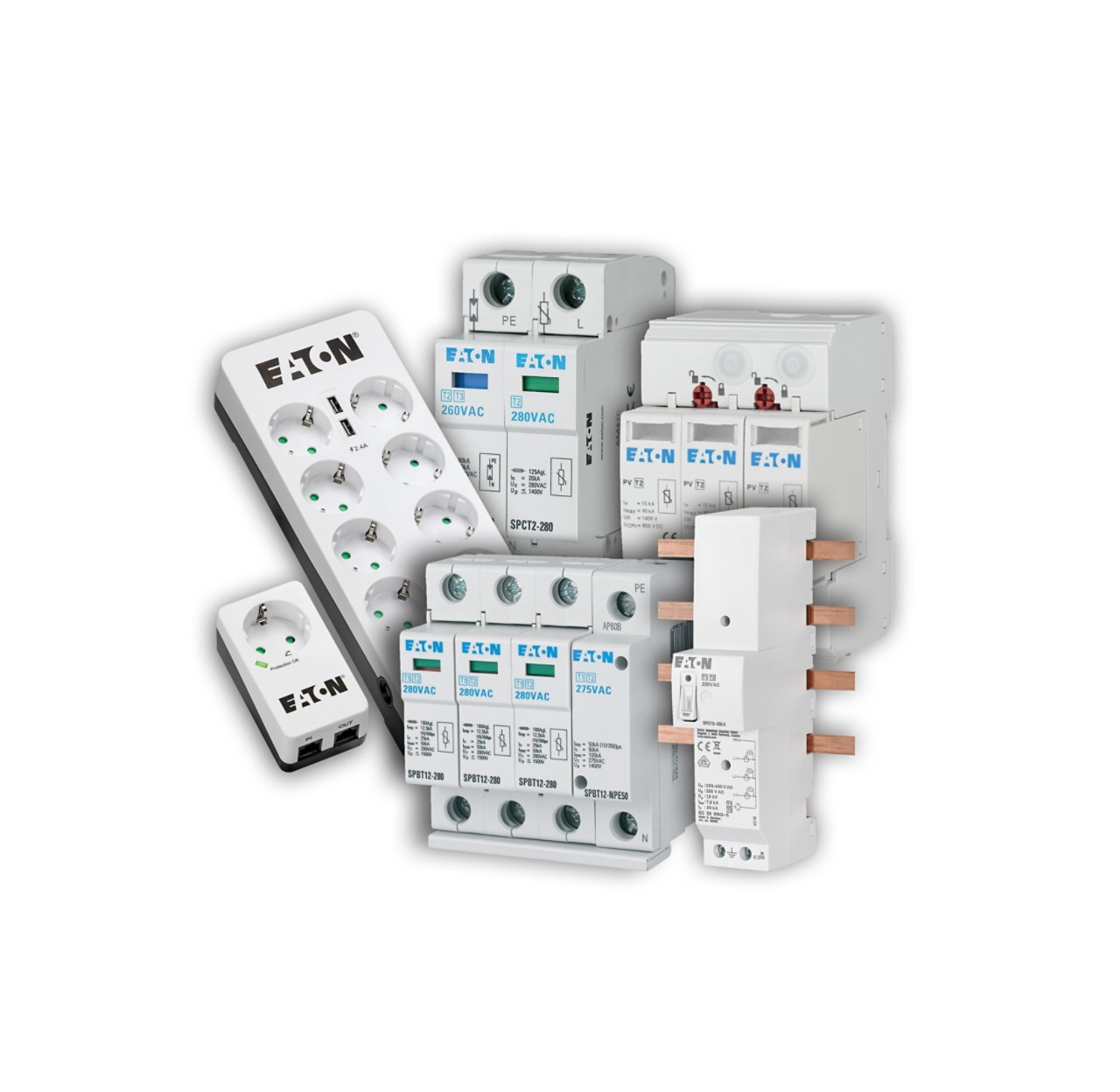
Surge protection devices come in several form factors designed for different environments.
Common types include:
Many modern surge protectors also include USB charging ports and data line protection to support today's connected devices.
Several specifications help indicate the effectiveness of surge protection.
Joule rating
The joule rating measures how much energy a surge protector can absorb before it fails.
Higher joule ratings generally indicate greater protection capacity.
Sensitive electronics such as computers, televisions and audio/video equipment typically benefit from surge protectors rated 1,000 joules or higher.
Voltage let-through rating
The UL 1449 voltage let-through rating measures how much voltage can pass through the surge protector after suppression.
Common rating levels include:
Lower let-through ratings provide stronger surge protection.
In addition to protecting against voltage spikes, many surge protectors also reduce electrical line noise.
Line noise is caused by electromagnetic interference (EMI) or radio frequency interference (RFI) generated by nearby electrical devices operating on the same circuit.
Common sources of line noise include:
Line noise can result in visible or audible interference such as audio static or video distortion. Surge protectors with filtering capabilities help reduce this interference for cleaner power delivery.
Surge protectors absorb energy during every surge event. Over time, the internal protection components can degrade as they absorb repeated electrical stress.
Eventually the surge protector may lose its ability to provide adequate protection.
Many surge protectors include features such as:
If the protection indicator turns off or the outlets stop providing power, the surge protector should be replaced.
Physical damage such as discoloration, cracking or melting is also a sign that replacement is necessary.
Learn the fundamentals of surge protection: How surge protectors guard equipment against power surges, what joule ratings mean, how long surge protectors last and what features to look for when purchasing.

 MyEatonFAQs


