Download document () of 20
 Send email
Download
You have exceeded the download limit
Surge protector buying guide
A surge protector is one of the simplest and most effective ways to protect electronics from damaging voltage spikes, power surges and electrical fluctuations. Choosing the right surge protector helps prevent costly equipment damage and extends the life of your devices.
Whether you're protecting a home office, entertainment system or essential IT equipment, understanding the key features of surge protectors can help you select the best model for your needs.
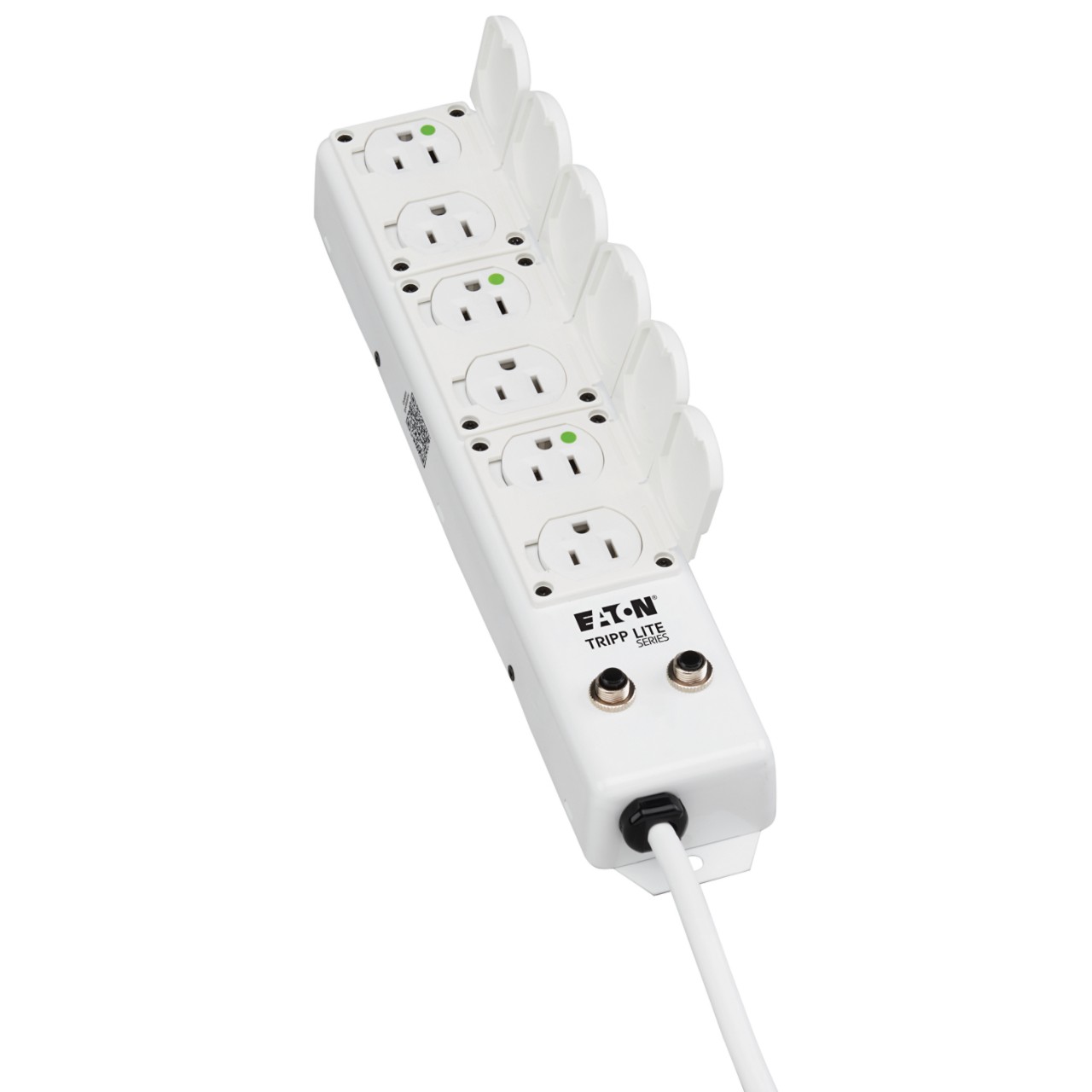
A surge protector (also called a surge suppressor) protects electronics from power surges and voltage spikes—temporary increases in electrical voltage that can damage sensitive electronic components.
Surge protectors plug into standard wall outlets and provide multiple protected outlets for safely powering connected equipment.
Most surge protectors use metal oxide varistors (MOVs) to absorb excess voltage and divert it safely to ground before it reaches your electronics.
Many models also filter electrical line noise caused by electromagnetic interference (EMI) and radio frequency interference (RFI) that can affect performance in sensitive devices.
Bottom line: A surge protector acts as a buffer between unstable electrical power and your valuable electronics.
Any device plugged into an electrical outlet can benefit from surge protection, but equipment with sensitive electronics or stored data is especially vulnerable.
Common devices that should be connected to a surge protector include:
If you're protecting computers or critical electronics, consider using a UPS. A UPS provides both surge protection and battery backup, allowing equipment to safely shut down during power outages.
One of the most important specifications when buying a surge protector is the joule rating.
The joule rating indicates how much surge energy a device can absorb before the protection circuitry fails.
Higher joule ratings generally mean better surge protection and longer product lifespan.
Joule rating |
Protection level |
Best use |
400–600 J |
Basic surge protection |
Lamps, small electronics |
600–1000 J |
Moderate protection |
TVs and entertainment systems |
1000+ J |
High surge protection |
Computers and networking equipment |
Reliable surge protection devices are evaluated according to established safety and performance standards that ensure they can handle real world electrical conditions. Selecting products that have been independently tested and certified with recognized safety marks and industry requirements helps verify that each device is designed to safely divert excess energy and protect sensitive equipment. Emphasizing these compliance considerations builds trust and guides shoppers toward options that deliver dependable and long lasting protection.
Surge protectors wear out overtime as they absorb electrical surges.
Many modern surge protectors include LED protection indicators or audible alerts that notify you when the surge protection components are no longer functioning.
These indicators allow users to quickly determine whether their electronics are still protected.
Regularly checking these indicators ensures your equipment remains protected from power surges.
Some surge protectors include an automatic shut-off feature.
This feature disconnects power to connected devices if the surge protection circuitry becomes compromised.
Without automatic shut-off, a surge protector may continue supplying power even though it no longer provides surge protection.
Bottom line: Auto-shutoff ensures devices are never connected without active surge protection.
Here are some additional protections, features and considerations you should keep in mind when selecting a surge protector that is right for your needs:
Three-line surge protection
High-quality surge protectors provide three-line protection, which safeguards all electrical paths:
Three-line protection ensures that voltage spikes are safely diverted regardless of where they originate in the electrical system.
When choosing a surge protector, look for models that specifically mention 3-line surge protection.
Data line surge protection
Electrical surges don't only travel through power lines. They can also enter through communication cables.
Some surge protectors include protection for:
This feature is especially useful for protecting routers, network switches and home office equipment.
For power over ethernet (PoE) systems, inline surge protectors can protect devices such as:
Surge protector features based on your environment
Different environments may require specific surge protector features.
Some surge protectors allow users to switch off individual outlets without disconnecting all connected equipment.
This improves energy efficiency and device management.
Compact surge protectors with fold-down plugs are ideal for travel and mobile work setups.
Some inline surge protectors are IP66 rated, meaning they resist dust and water and can be used in outdoor applications like digital signage or security cameras.
Hospital-grade surge protectors include enhanced safety outlets and plugs and may feature antimicrobial coatings to help prevent bacterial growth.
A surge protector absorbs damaging electrical energy, so your devices don't have to.
Because of this, surge protectors gradually degrade over time.
Many high-quality surge protectors include:
These policies may cover repair or replacement costs if properly connected equipment is damaged by a power surge.
Strong warranties are often a sign of higher product quality and reliability.
While both devices provide multiple outlets, only surge protectors provide surge suppression and voltage protection.
To identify a real surge protector, check the product packaging for:
Power strips do not protect electronics from power surges.
The difference between these electrical events is their duration.
Electrical Event |
Duration |
Common Cause |
Power spike |
1–2 nanoseconds |
Lightning strikes |
Power surge |
3+ nanoseconds to several seconds |
Power grid fluctuations |
Both events can damage electronics, corrupt data and potentially create fire hazards.
Many surge protectors are designed to meet RoHS (Restriction of Hazardous Substances) compliance standards, which limit hazardous materials in electronic devices.
Energy-saving features such as individual outlet control and power-saving circuitry can also reduce energy consumption.
The lifespan of a surge protector depends on:
Most surge protectors gradually lose effectiveness as they absorb surges.
Always check protection indicator lights or choose models with auto-shutoff feature to ensure devices remain protected.
Choose from a wide selection of surge protectors for home, office, IT, industrial and medical environments.
We know you have many brands to choose from. On the surface, they may all seem alike. It's what you don't see that makes the difference. With Eaton, you get solid engineering, proven reliability and exceptional customer service. All our products undergo rigorous quality control before they are offered for sale, and independent testing agencies verify our products meet or exceed the latest safety and performance standards. Our commitment to quality allows us to back our products with industry-leading warranties and responsive customer service. It's the Eaton difference.

 MyEatonFAQs


